


Why Cotton Reigns Supreme in T-Shirt Manufacturing
- Shraddha Srivastava
- Jan 29, 2025
- 8 min read

Updated: 12 hours ago
Summary:
Cotton is the top choice for t-shirt manufacturing thanks to its softness, breathability, and strength. From cotton jersey to pique and slub cotton, each fabric brings unique comfort and style. For fashion brands, NoName is the go-to cotton t-shirt manufacturer in India, offering premium quality, flexible orders, and full customization to match every brand's needs.
Introduction:
In the world of t-shirt manufacturing, one fabric continues to dominate the industry—cotton. Renowned for its softness, durability, and versatility, cotton remains the preferred choice for fashion brands worldwide. From casual wear to premium collections, cotton fabric features make it ideal for creating stylish and comfortable t-shirts that meet consumer demands.

This blog explores the key features of cotton fabric, its specialties, and why it's a standout material for t-shirt production. We'll also touch on popular cotton types like pique cotton and cotton jersey, which are widely used for manufacturing t-shirts, and discuss the role of cotton blends in the industry.
What Makes Cotton Fabric Ideal for T-Shirt Manufacturing?
Which Cotton Fabric Is Best for Your T-Shirt Brand?
Cotton Fabric | Best For | Key Advantage |
Cotton Jersey | Everyday t-shirts | Soft, breathable, versatile |
Pique Cotton | Polo t-shirts | Structured and durable |
Slub Cotton | Fashion collections | Unique textured appearance |
Combed Cotton | Premium basics | Extra smooth and soft |
Ring-Spun Combed Cotton | High-end t-shirts | Superior softness and durability |
Terry Cotton | Loungewear and activewear | Moisture absorption |
Fleece Cotton | Winter t-shirts | Warm and comfortable |
Organic Cotton | Sustainable brands | Eco-friendly and skin-safe |
Cotton is a natural fibre derived from the seedpod of the cotton plant. Known for its exceptional softness, breathability, and sustainability, cotton is a top choice for t-shirt production. Here are some of its standout features:
1. Unmatched Comfort and Breathability
Cotton fabric is incredibly soft and breathable, making it ideal for everyday wear. Its natural fibres allow air circulation, keeping the wearer cool and comfortable in hot weather. This feature makes cotton t-shirts a favorite among consumers, especially in regions with warm climates.
2. Skin-Friendliness
Cotton is hypoallergenic, making it gentle on the skin and suitable for people with sensitivities. This is a key reason why t-shirts made of cotton are often preferred for all-day wear, as they don’t cause irritation or discomfort.
3. Moisture Absorption
Cotton’s natural fibres absorb moisture effectively, making it perfect for t-shirts worn during physical activities. This property helps keep the wearer dry and comfortable, adding to its appeal for casual and activewear.
4. Durability and Long-Lasting Quality
Cotton fabric is durable and withstands frequent washing without losing its shape or softness. This durability ensures that cotton t-shirts retain their quality, making them a reliable choice for both manufacturers and consumers.
5. Versatility in Design
Cotton is highly versatile and can be easily dyed, printed, and styled. Whether you’re creating vibrant graphic t-shirts or minimalist designs, the cotton fabric ensures that the prints remain sharp and colors stay vivid over time.
6. Eco-Friendly and Sustainable
Cotton is biodegradable and renewable, making it an environmentally friendly option. With the rise of organic cotton, fashion brands can further enhance their commitment to sustainability while offering high-quality products.
Applications of Cotton in T-Shirt Manufacturing

Basic T-Shirts: Cotton jersey is often used for lightweight, casual t-shirts suitable for everyday wear.
Polo T-Shirts: Pique cotton's textured surface and durability make it ideal for creating high-quality polo t-shirts that are stylish and comfortable.
Sports and Activewear: Cotton’s moisture-absorbing properties make it a good choice for sports t-shirts, keeping wearers cool during physical activities.
Fashion T-Shirts: Cotton’s versatility allows designers to create unique patterns, prints, and custom styles that resonate with modern trends.
Layered Wear: Cotton’s insulating properties make it suitable for layering, especially in cooler climates.
T-Shirt Industry Trends in 2026
Why Cotton Matters More Than Ever
Consumer preferences are shifting toward comfort, sustainability, and quality.
Recent industry reports show:
Cotton remains one of the most preferred fibers for apparel worldwide.
Demand for organic cotton apparel continues to rise as consumers become more environmentally conscious.
More fashion brands are introducing sustainable cotton collections.
Premium basics and high-quality everyday essentials are among the fastest-growing apparel categories.
Consumers increasingly prioritize comfort and fabric quality over trend-driven purchases.
Brands that invest in premium cotton fabrics can improve customer satisfaction, increase repeat purchases, and build stronger brand loyalty.
Popular Cotton Fabrics for T-Shirt Manufacturing
While cotton offers many options, certain types of cotton fabric are particularly well-suited for t-shirt manufacturing. Here are some of the most popular and commonly used cotton fabrics:

Pique Cotton
Pique cotton is a textured fabric with a subtle waffle-like weave. Known for its durability and breathability, it is commonly used for polo shirts but is also an excellent choice for creating premium t-shirts. The fabric's structure allows for better airflow, making it comfortable to wear in warm weather.
Cotton Jersey
Cotton jersey is a lightweight, stretchy fabric that offers excellent comfort and flexibility. It is one of the most popular choices for t-shirt manufacturing due to its softness and natural drape. Cotton jersey t-shirts are perfect for casual wear and layering.
Slub Cotton
Slub cotton has a unique textured appearance, with uneven threads that create a slightly rough yet stylish finish. This fabric is lightweight, breathable, and adds a touch of uniqueness to t-shirts, making them stand out in fashion collections.
Combed Cotton
Combed cotton undergoes an additional process where short fibers are removed, leaving only the longer, stronger fibers. This results in a smoother, softer fabric that is perfect for premium t-shirt lines.
Ring-Spun Super Combed Cotton
This fabric is made by spinning cotton fibers in a way that results in a stronger, finer yarn. The combing process ensures a smooth, soft feel while the ring-spinning method enhances the durability and flexibility of the fabric. This type of cotton is ideal for high-quality, long-lasting t-shirts.
Brushed Cotton
Brushed cotton is created by gently brushing the surface of the fabric, which raises the fibers to create a soft, fuzzy texture. This process enhances the fabric's warmth and comfort, making it ideal for cooler weather t-shirts. It offers a cozy, luxurious feel while maintaining breathability.
Terry Cotton
Terry cotton is characterized by its looped texture, similar to towel fabric. It is highly absorbent and soft, making it an excellent choice for t-shirts meant for activewear, loungewear, or sportswear. Terry cotton t-shirts offer comfort and moisture-wicking properties, keeping the wearer cool and dry.
Fleece Cotton
Fleece cotton is a soft, plush fabric that is brushed on one or both sides to create a warm and cozy texture. It is perfect for making t-shirts designed for colder weather or casual wear. The fabric’s insulating properties help retain body heat, making it a popular choice for loungewear and sweatshirt-style t-shirts.
These cotton fabrics offer a wide variety of options, ensuring t-shirts that cater to different styles, seasons, and needs. From breathable and lightweight materials like cotton jersey to warm and cozy options like fleece cotton, the right fabric can elevate any t-shirt design.
The Role of Cotton Blends in T-Shirt Manufacturing
While 100% cotton remains a popular choice, many t-shirt manufacturers incorporate cotton blends to enhance specific features tailored to consumer demands. For instance, cotton-polyester blends combine cotton's soft comfort with polyester's durability and wrinkle-resistance, making them ideal for long-lasting and low-maintenance t-shirts. Meanwhile, cotton-spandex blends add stretch and flexibility, perfect for activewear and fitted t-shirt styles. These blends allow fashion brands to create versatile t-shirts that meet diverse needs, from casual wear to performance-focused designs.
How to Choose the Right Cotton Fabric for Your Brand
Not every cotton fabric is suitable for every product.
If you're launching an essentials collection, cotton jersey or combed cotton is often the best choice.
If you're creating premium fashion pieces, ring-spun cotton and slub cotton offer a more elevated feel.
For polo shirts and uniforms, pique cotton provides structure and durability.
For winter collections, fleece cotton and terry cotton offer additional warmth and comfort.
Choosing the right fabric early in the product development process can significantly improve customer satisfaction and product performance.
Best Cotton T-shirt manufacturer in India

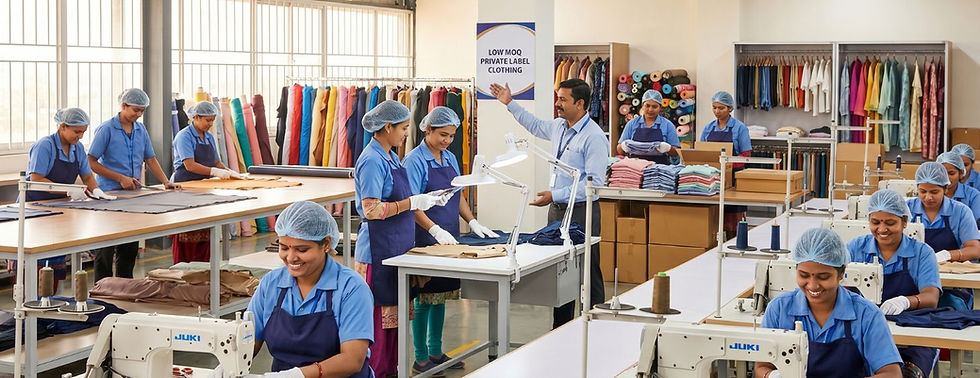
When it comes to choosing a cotton t-shirt manufacturer in India, NoName stands out as the perfect partner. As a leading private-label clothing manufacturer in India, NoName specializes in crafting high-quality cotton t-shirts that meet the unique needs of fashion brands worldwide. Here’s why NoName is the best choice:
Expertise in Cotton Fabrics: NoName excels in working with various types of cotton fabrics, ensuring that every t-shirt is made with the ideal fabric for style, comfort, and durability.
Customization Options: NoName offers extensive customization options, from vibrant prints and intricate graphics to seamless designs. Whether you need plain cotton tees or unique designs, NoName brings your brand’s vision to life.
Commitment to Quality: With cutting-edge technology and skilled craftsmanship, NoName ensures that every cotton t-shirt meets the highest quality standards. The attention to detail and emphasis on quality guarantees that your products will stand out.
Flexibility: NoName offers flexible production capabilities for both small and large orders. This makes them an ideal partner for fashion brands of all sizes, whether you are a startup or an established name in the industry.
Conclusion
Cotton continues to reign supreme in t-shirt manufacturing due to its softness, durability, and versatility. Fabrics like pique cotton, cotton jersey, slub cotton, and combed cotton bring unique qualities to the table, making them excellent choices for creating high-quality t-shirts. Whether you’re focusing on casual wear, activewear, or premium collections, cotton fabric ensures a perfect balance of comfort and style.
For brands looking to innovate further, cotton blends add value by enhancing properties like stretch, durability, and moisture resistance. By choosing cotton, fashion brands can meet consumer expectations for quality, sustainability, and style.
As a leading t-shirt manufacturer in India, NoName specialises in crafting high-quality cotton t-shirts that combine comfort, durability, and exceptional style. From working with premium cotton fabrics to offering customization options, NoName ensures that your designs come to life with precision and care.
Start your t-shirt manufacturing journey with NoName today and create cotton t-shirts that resonate with your brand's values and customer demands.
Frequently Asked Questions (FAQs)
1. Why is cotton considered the best fabric for t-shirt manufacturing?
Cotton is widely preferred for t-shirt manufacturing because it is soft, breathable, durable, and comfortable for everyday wear. Its natural fibres allow air circulation, absorb moisture effectively, and feel gentle against the skin, making cotton t-shirts suitable for a wide range of consumers and climates.
2. Which type of cotton is best for premium t-shirts?
Combed cotton and ring-spun super combed cotton are among the best options for premium t-shirts. These fabrics undergo additional processing to remove short fibres, resulting in a smoother, softer, and more durable fabric that maintains its quality even after repeated washing.
3. What is the difference between cotton jersey and pique cotton?
Cotton jersey is a lightweight, soft, and stretchy fabric commonly used for everyday t-shirts, while pique cotton features a textured weave that provides more structure and durability. Cotton jersey is ideal for casual wear, whereas pique cotton is often used for polo t-shirts and premium apparel.
4. Are cotton t-shirts sustainable?
Yes, cotton can be a sustainable choice, especially when brands use organic or responsibly sourced cotton. Organic cotton is grown without harmful synthetic pesticides and fertilizers, reducing environmental impact while providing a safer option for consumers and workers involved in production.
5. How do I choose the right cotton fabric for my t-shirt brand?
The right cotton fabric depends on your target market and product category. Cotton jersey works well for basic everyday t-shirts; combed and ring-spun cotton are ideal for premium collections; pique cotton suits polo shirts; and slub cotton is a great choice for fashion-focused designs. Partnering with an experienced cotton t-shirt manufacturer can help you select the most suitable fabric for your brand.

Check this Comprehensive Guide on Natural Fabrics:
If you want to explore more articles on Natural Fabrics, then you can explore these articles:
WhatsApp: +91-9717 508 508
Email: hello@nonameglobal.com
Website: www.nonameglobal.com
Online meeting: https://calendly.com/nonameglobal/meet
About the Author
This blog is written by Shraddha Srivastava, a fashion expert and industry observer known for breaking down complex trends into practical, actionable insights. With a strong understanding of garment manufacturing, retail, consumer psychology, and brand strategy, she also brings hands-on knowledge of apparel import–export processes, global compliance, and cross-border sourcing. Shraddha helps fashion brands navigate sourcing, imports, and market expansion, making growth simple, scalable, and data-driven.

Great article! I really appreciate the detailed insights into why cotton remains the top choice for T-shirt manufacturing. The breakdown of its breathability, durability, and sustainability factors was especially enlightening. It's always fascinating to learn more about the materials we wear every day. Thanks for sharing! Veronica Dantas
This was a fantastic read! I really appreciate the detailed breakdown of why cotton remains the top choice for T-shirt manufacturing. The insights on breathability, durability, and sustainability were particularly enlightening. It’s great to see a focus on both comfort and environmental impact in fabric selection. Thanks for sharing such valuable information—I look forward to more of your industry insights! Sidney De Queiroz Pedrosa
I thoroughly enjoyed reading your recent blog post, "Why Cotton Reigns Supreme in T-Shirt Manufacturing." Your detailed exploration of cotton's attributes, such as its exceptional comfort, breathability, and durability, effectively highlights why it remains the preferred choice for t-shirt production. I particularly appreciated your discussion on cotton's versatility in holding dyes and prints, which underscores its suitability for diverse designs and fashion trends. Moreover, your emphasis on cotton's sustainability aligns well with the growing consumer demand for eco-friendly apparel options. Overall, your article provides valuable insights into the enduring prominence of cotton in the textile industry. Beatriz Barata
This was a fantastic read! I really enjoyed the in-depth look at why cotton remains the top choice for T-shirt manufacturing. The breakdown of its breathability, durability, and sustainability aspects was especially insightful. It’s great to see a focus on both quality and environmental impact. Thanks for sharing such valuable information! Luiz Antonio Duarte Ferreira
Your article provides a comprehensive and insightful exploration into the dominance of cotton in T-shirt manufacturing. The detailed examination of various cotton fabrics, such as single knit cotton jersey and pique cotton, effectively highlights their unique characteristics and suitability for different T-shirt styles. By discussing the advantages and disadvantages of each fabric type, you've equipped readers with valuable knowledge to make informed decisions in the apparel industry. Your emphasis on cotton's versatility and comfort underscores why it remains a preferred choice for both manufacturers and consumers. Thank you for shedding light on this essential aspect of textile production. Daniel Dantas