


Top 10 Fashion Trends of Japan

Updated: Aug 27
Summary
Japan’s fashion trends are a dynamic mix of minimalism, streetwear, kawaii, tech wear, and traditional-modern fusions, offering bold, playful, and creative styles for every audience. From avant-garde cuts to anime-inspired looks, brands can leverage these trends with the right manufacturing partner. NoName, a leading clothing manufacturer and supplier in Japan, ensures high-quality, sustainable, and trend-driven collections.

Introduction:
Are you a fashion brand from Japan looking to stay ahead in the fast-moving world of style? Then this guide is for you. Japan is known for its innovative, unique, and vibrant fashion culture. From minimalism to streetwear, the country constantly reinvents style, blending tradition with modern trends. Whether you’re a new brand or an established label, understanding the fashion trends of Japan is essential for creating collections that resonate with your audience.
In this blog, we explore the top 10 fashion trends of Japan, including their materials, designs, and styling tips. We’ll also show how NoName, the best clothing manufacturer in India and supplier in Japan, can help fashion brands bring these trends to life.
Top Fashion Trends in Japan 2026
Fashion Trend | Key Features | Popular Materials | Best For |
Minimalist Japanese Style | Clean lines, neutral colors, timeless silhouettes | Cotton, linen, wool blends | Everyday wear, workwear, capsule collections |
Avant-Garde Fashion | Asymmetrical cuts, oversized shapes, artistic designs | Structured cotton, mixed fabrics | Designer collections, runway fashion |
Kawaii Aesthetic | Cute prints, pastel colors, playful styling | Cotton, soft knits | Youth fashion, casualwear |
Harajuku Streetwear | Oversized fits, bold graphics, layered styling | Cotton, denim, polyester blends | Streetwear and urban fashion |
Techwear | Functional clothing with utility details | Nylon, technical fabrics | Outdoor wear, urban commuters |
Traditional-Modern Fusion | Kimono-inspired contemporary clothing | Silk blends, cotton | Modern cultural fashion |
Lolita Fashion | Lace, ribbons, elegant feminine details | Cotton, chiffon, lace | Boutique and niche fashion |
Rockabilly & Retro | Vintage-inspired silhouettes and styling | Denim, leather, cotton | Retro fashion collections |
Anime & Cosplay Fashion | Graphic prints, dramatic styling, character-inspired pieces | Cotton, synthetic blends | Pop culture apparel |
Ultra-Oversized Harajuku Style | XXL silhouettes, relaxed fits, bold layering | Cotton, denim, knit fabrics | Contemporary streetwear |
Manufacturing Partner | NoName | Sustainable fabrics, Flexi MOQ, private-label manufacturing | Fashion brands launching collections for Japan |
2026 Fashion Update: What's Shaping Japanese Fashion Today?
Japanese fashion continues to evolve in 2026, blending innovation with tradition. While minimalist fashion, Harajuku streetwear, and avant-garde designs remain influential, consumers are increasingly embracing sustainable fashion, gender-fluid silhouettes, and functional everyday clothing. Relaxed tailoring, coordinated matching sets, premium basics, and versatile pieces that transition from work to leisure are becoming wardrobe essentials.
At the same time, vintage-inspired fashion and Y2K influences continue to thrive among younger consumers, while Japanese designers are incorporating recycled materials and responsible production practices into their collections. These shifts reflect a growing demand for clothing that combines creativity, comfort, quality, and sustainability, making Japan one of the world's most influential fashion markets.
Top Fashion Trends in Japan

1. Minimalist Japanese Style
Minimalism is a cornerstone of Japanese fashion. Clean lines, muted tones, and simple silhouettes dominate this style. Think of MUJI or UNIQLO vibes, where comfort meets functionality. Colors like beige, gray, and white make it easy to mix and match, while pieces are versatile enough for daily wear.
Materials & Designs: Cotton, linen, wool blends; straight-cut pants, simple blouses, and oversized shirts.
Example: A brand could launch a capsule collection featuring neutral-toned shirts and straight-leg trousers. This trend is perfect for urban professionals and minimalistic fashion lovers.
2. Avant-Garde Cuts & Shapes
Avant-garde fashion is bold and experimental, with asymmetrical cuts, oversized forms, and unusual fabrics. Designers like Rei Kawakubo and Yohji Yamamoto inspire this trend. It’s perfect for brands that want to showcase creativity and innovation.
Materials & Designs: Structured cotton, mixed fabrics, layered textures, and oversized silhouettes.
Example: Combining an asymmetrical jacket with loose pants or a layered top with irregular hems can create a high-fashion, edgy look.

3. Kawaii (Cute) Aesthetic
Kawaii fashion is playful, colorful, and adorable. Pastel shades, fun prints, and small motifs are common. This trend is widely popular among young women and teenagers, blending cuteness with approachable styling.
Materials & Designs: Lightweight cotton, soft knits, printed fabrics with animals, anime characters, or simple patterns.
Example: T-shirts or skirts featuring cute characters or soft pastel hoodies appeal to both casual wear and novelty collections.

4. Streetwear (Harajuku-Driven)
Harajuku streetwear is all about mixing punk, hip-hop, and high fashion influences. Layering, oversized cuts, and bold graphics make it a casual yet expressive style. It’s unisex and popular in youth culture, with sneakers and baseball caps completing the look.
Materials & Designs: Cotton, polyester blends, denim; oversized hoodies, baggy pants, and layered T-shirts.
Example: Pair a graphic tee with a layered oversized jacket and wide-leg pants for the ultimate streetwear vibe.
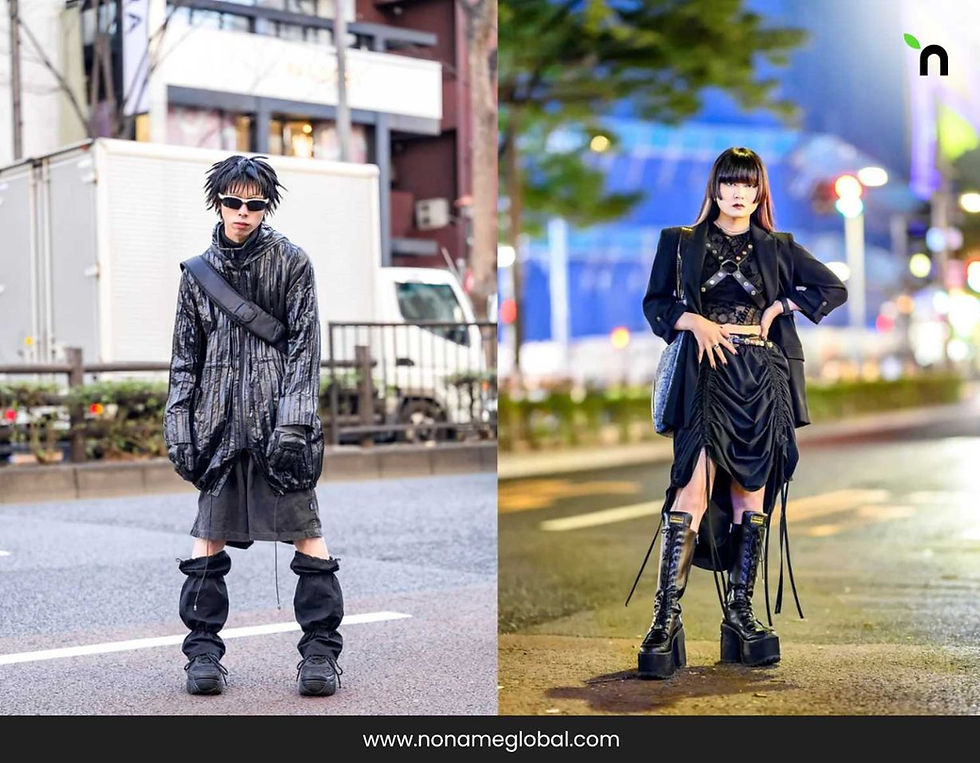
5. Tech wear / Functional Fashion
Tech wear combines style with utility. Futuristic designs feature water-resistant fabrics, modular pockets, and functional layers. This trend suits both everyday wear and urban commuters who prioritize comfort and practicality.
Materials & Designs: Nylon, polyester blends, technical fabrics; multi-pocket jackets, cargo pants, adjustable straps.
Example: A jacket with hidden compartments and adjustable features paired with technical pants is both stylish and functional.

6. Fusion of Traditional and Modern
Japanese fashion often blends modern streetwear with traditional garments. Kimono-inspired jackets, obi belts, or haori tops are adapted into contemporary outfits for both men and women. This trend preserves culture while staying modern.
Materials & Designs: Silk blends, cotton, patterned fabrics; kimono jackets, layered obi belts, and haori-inspired outerwear.
Example: A modern outfit could include a short kimono jacket over a streetwear tee with tailored pants.
7. Lolita & Derivative Styles
Lolita fashion is feminine, elaborate, and detailed. Lace, ribbons, and frills define the style. Substyles include Gothic Lolita and Steampunk Lolita, appealing to niche audiences who enjoy fantasy-inspired designs.
Materials & Designs: Cotton, chiffon, lace; dresses, skirts, blouses with ruffles and ribbons.
Example: A layered Lolita dress with delicate lace accents and pastel tones creates a standout collection for specialty fashion brands.
8. Rockabilly & Retro Street Culture
Rockabilly style is inspired by 1950s Americana. Greased pompadours, vintage jackets, and retro pants define the look. Although niche, it’s a strong influence in certain districts like Yoyogi Park.
Materials & Designs: Denim, leather, cotton; vintage jackets, high-waist pants, retro-inspired shirts.
Example: Pairing a leather jacket with rolled-up jeans and classic sneakers brings a retro vibe into modern streets.

9. Samurai, Cosplay & Anime-Inspired Looks
Japan’s rich pop culture inspires fashion that references samurai attire, anime, and cosplay. These outfits often combine storytelling, prints, and stylized cuts to create expressive, dramatic clothing.
Materials & Designs: Mixed fabrics, cotton, synthetic blends; kimono-inspired tops, graphic prints, layered cosplay elements.
Example: A jacket with a samurai-style belt over casual pants or T-shirts with anime prints attracts fans of pop culture and cosplay.

10. Harajuku Streetwear’s Ultra-Oversized Silhouettes
This trend emphasizes exaggerated proportions. XXL hoodies, ultra-wide pants, and graphic tees define the look. Pairing oversized tops with casual staples creates a bold, playful, and comfortable style.
Materials & Designs: Cotton, denim, soft knits; oversized hoodies, wide-leg pants, layered graphic T-shirts.
Example: Mix an oversized hoodie with wide-legged pants and sneakers for an effortlessly stylish streetwear look.
The Best Clothing Supplier to Japan
For fashion brands looking to bring the latest fashion trends in Japan to life, NoName stands out as the top clothing manufacturer and supplier in Japan. Specializing in high-quality fabrics and trend-driven designs, NoName caters to brands of all sizes—from startups to established labels.
With flexible minimum order quantities (Flexi MOQ), brands can produce small or medium batches without compromising quality. NoName is also committed to sustainability, using eco-friendly materials and ethical manufacturing practices, making it the perfect partner for modern fashion brands. Their expert team handles everything from design sourcing to production, ensuring timely delivery and consistent quality.
As a trusted clothing manufacturer in India with global export capabilities, NoName helps brands stay ahead in the competitive Japanese market while embracing both style and responsibility. Partnering with NoName guarantees creativity, efficiency, and sustainable fashion solutions.
Conclusion
As Japanese fashion continues to evolve in 2026, brands that successfully balance innovation, sustainability, and cultural authenticity will be best positioned for long-term growth. Consumers are increasingly seeking clothing that reflects individuality while offering comfort, quality, and responsible manufacturing, creating new opportunities for fashion brands that stay ahead of emerging trends.
Connect with NoName today to explore the latest fashion trends in Japan and elevate your brand with expertly crafted clothing from a leading clothing manufacturer in India and a clothing supplier in Japan.
Frequently Asked Questions (FAQs)
1. What are the biggest fashion trends in Japan in 2026?
Some of the biggest fashion trends in Japan include minimalist fashion, Harajuku streetwear, techwear, kawaii fashion, oversized silhouettes, avant-garde designs, traditional-modern fusion clothing, gender-fluid fashion, and sustainable apparel made from eco-friendly materials.
2. Why is Japanese fashion so influential worldwide?
Japanese fashion is admired for its creativity, craftsmanship, and ability to blend traditional culture with modern innovation. Fashion districts like Harajuku and designers such as Rei Kawakubo and Yohji Yamamoto have helped shape global fashion trends for decades.
3. What fabrics are commonly used in Japanese fashion?
Popular fabrics include cotton, linen, wool blends, denim, silk, technical performance fabrics, recycled polyester, organic cotton, and lightweight knit fabrics. These materials provide comfort, durability, and versatility across different fashion styles.
4. How can fashion brands manufacture clothing for the Japanese market?
Fashion brands can partner with experienced clothing manufacturers like NoName, which offers private-label manufacturing, flexible MOQs, premium fabric sourcing, sustainable production, product development, and global export services tailored for international fashion brands.
5. Why choose NoName as a clothing manufacturer for Japan?
NoName is a trusted clothing manufacturer in India and supplier to Japan, offering premium-quality garments, sustainable manufacturing, flexible minimum order quantities (Flexi MOQ), private-label and white-label solutions, expert design support, and reliable global shipping for startups as well as established fashion brands.

WhatsApp: +91-9717 508 508
Email: hello@nonameglobal.com
Website: www.nonameglobal.com
Online meeting: https://calendly.com/nonameglobal/meet
About the Author
This blog is written by Shraddha Srivastava, a fashion expert and industry observer known for breaking down complex trends into practical, actionable insights. With a strong understanding of garment manufacturing, retail, consumer psychology, and brand strategy, she also brings hands-on knowledge of apparel import–export processes, global compliance, and cross-border sourcing. Shraddha helps fashion brands navigate sourcing, imports, and market expansion, making growth simple, scalable, and data-driven.


Comments