


Evolution of Hoodies as a Streetwear Icon from a humble workwear basic in the 1930s

Updated: Sep 1
Introduction
Few garments have changed fashion as much as the hoodie.
What began as practical workwear in the 1930s has become a defining piece of modern streetwear.
At NoName, we have seen many fashion startups choose hoodies as their first product because they offer strong opportunities for
branding,
customization, and
premium positioning.
But turning a hoodie idea into a market-ready product requires the right fabric, fit, construction, and production support.
That is where NoName helps.
From fabric sourcing and product development to sampling, customization, and production, we help brands create hoodies that match their vision and meet modern consumer expectations.
In this article, we'll explore the evolution of hoodies from workwear to a streetwear icon and why it remains one of the smartest products for fashion startups in 2026.

Want to launch your hoodie collection? Click here
Key Takeaways
Hoodies evolved from 1930s workwear into the most influential garment in streetwear.
Hip-hop, skateboarding, and graffiti culture played a major role in making hoodies a streetwear essential.
Streetwear brands transformed hoodies into powerful branding and storytelling tools.
Luxury fashion's adoption of hoodies elevated them from casualwear to premium fashion products.
Most successful fashion startups launch with hoodies because they offer higher perceived value, better margins, and stronger branding opportunities than many other apparel categories.
Premium streetwear consumers increasingly prefer heavyweight hoodies ranging from 300 GSM to 500 GSM.
Evolution of Hoodies Timeline
Decade | Key Development | Impact on Streetwear |
1930s | Hoodie created for workers | Introduced functionality and durability |
1950s | College students adopted hoodies | Established identity and community |
1970s | Rocky and hip-hop culture embraced hoodies | Added emotional and cultural value |
1980s | Skateboarding and graffiti communities adopted hoodies | Built streetwear foundations |
1990s | Streetwear brands used hoodies for branding | Created iconic fashion statements |
2000s | Limited drops and hype culture emerged | Turned hoodies into collectables |
2010s | Luxury fashion embraced streetwear | Elevated hoodies into premium products |
2020s | Heavyweight oversized hoodies dominate | Essential product for fashion startups |
The 1930s–1960s: The Functional Origins of the Hoodie
The hoodie was never intended to become a fashion icon.
In the early 1930s, Champion developed hooded sweatshirts for laborers working in freezing warehouses and outdoor environments.
The hood protected workers from harsh weather, while heavyweight fleece fabrics provided warmth and durability.
By the 1950s, colleges and universities began printing school names and team logos on hoodies. This seemingly small shift introduced a powerful concept that still drives apparel sales today: identity.
Students wore hoodies not only because they were comfortable but because they represented belonging.
This remains one of the biggest lessons for fashion startups. Consumers rarely buy apparel purely for function.
They buy products that reflect who they are and what communities they identify with.
The 1970s: Hip-Hop and Rocky Transform the Hoodie
The 1970s became a defining decade for the hoodie.
In 1976, audiences watched Rocky Balboa train through the streets of Philadelphia wearing a simple grey hoodie.
The image became one of the most recognizable moments in film history.
The hoodie suddenly represented:
Determination
Discipline
Hard work
The underdog mentality
At the same time, hip-hop culture was emerging in New York City's Bronx borough.
DJs, MCs, breakdancers, and artists embraced hoodies because they were affordable, practical, and authentic.
Unlike luxury fashion, the hoodie belonged to the streets.
This cultural connection transformed the hoodie from a functional garment into a symbol of self-expression.
For startups, this highlights an important truth:
The strongest products are often connected to culture before they become connected to fashion.
The 1980s: The Birth of Streetwear Culture
Throughout the 1980s, hoodies became deeply integrated into
skateboarding,
graffiti, and
hip-hop communities.
Skateboarders appreciated the freedom of movement and durability that hoodies provided.
Graffiti artists valued the anonymity offered by the hood.
Hip-hop artists continued making hoodies a central part of their visual identity.
This decade also popularized relaxed and oversized silhouettes that continue to influence streetwear today.
The hoodie was no longer simply clothing. It had become a uniform for multiple youth movements.
Many of today's biggest streetwear trends can be traced directly back to the cultural movements of the 1980s.
The 1990s: The Hoodie Becomes Streetwear's Ultimate Branding Tool
The 1990s saw the rise of brands such as Stüssy, Supreme, FUBU, Karl Kani, and Wu Wear.
These brands recognized something that remains true today:
A hoodie is one of the most effective branding tools in fashion.
Unlike many apparel products, hoodies provide large printable surfaces across the front, back, sleeves, and hood.
This allowed brands to showcase:
Logos
Artwork
Graphic designs
Cultural messages
Brand philosophies
Consumers were no longer purchasing hoodies solely for comfort. They were purchasing identity, exclusivity, and community.
This is one reason why custom-branded hoodies remain one of the best investments for emerging fashion brands.
The 2000s: Hype Culture Creates Hoodie Collectables
The early 2000s marked the rise of limited-edition streetwear drops.
Brands like Supreme and BAPE began releasing products in small quantities, creating scarcity and excitement. Hoodies quickly became the centrepiece of this strategy.
Consumers lined up outside stores for product launches, while resale markets turned certain hoodies into highly sought-after collectables.
For startups, this era demonstrated an important business lesson:
You do not need a massive inventory to create demand.
Limited hoodie releases can help brands:
Reduce inventory risk
Build exclusivity
Increase customer engagement
Generate social media buzz
Even today, many successful streetwear startups use limited hoodie drops as a growth strategy.
The 2010s: Luxury Fashion Changes Everything
The next major shift came when luxury fashion embraced streetwear.
Designers like Virgil Abloh helped bridge the gap between street culture and high fashion.
Through Off-White and later Louis Vuitton Men's Wear, he proved that hoodies could command luxury price tags.
Soon, brands such as Balenciaga, Gucci, Vetements, and Louis Vuitton introduced their own premium hoodies. The perception of the garment changed dramatically.
Consumers were willing to spend hundreds, or even thousands, of dollars on hoodies made from premium fabrics and superior construction.
This shift fundamentally changed the opportunities available to fashion startups.
Brands no longer need luxury heritage to sell premium hoodies. They need great products.
Why Every Fashion Startup Should Launch With a Hoodie
Today, hoodies remain one of the most effective products for launching a fashion brand.
Higher Perceived Value
Consumers typically expect to pay significantly more for a hoodie than a T-shirt, making it easier for startups to achieve healthy margins.
Better Branding Opportunities
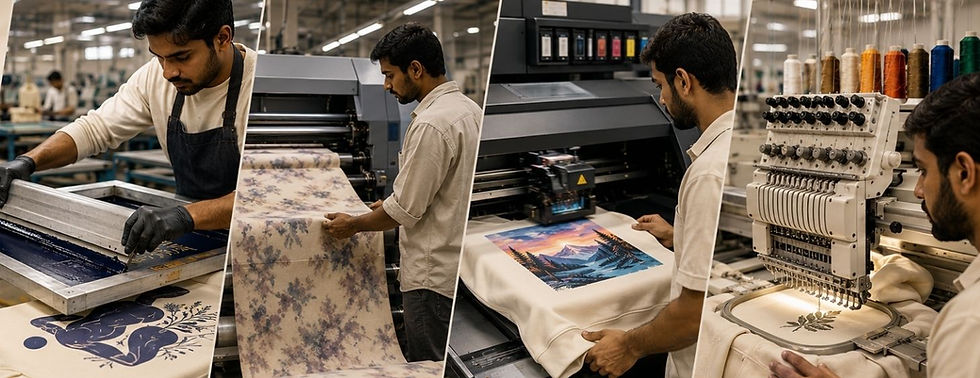
Embroidery, puff printing, screen printing, woven labels, custom trims, and patches all work exceptionally well on hoodies.
Strong Customer Retention
Customers often wear their favorite hoodie repeatedly, creating ongoing brand visibility.
Year-Round Demand
Lightweight French Terry hoodies work well in warmer seasons, while heavyweight fleece hoodies dominate colder months.
Premium Positioning
A well-made hoodie immediately communicates quality and professionalism.
What Modern Consumers Expect From a Premium Streetwear Hoodie
Consumer expectations have evolved significantly over the last decade.
Today's streetwear customers increasingly look for:
Feature | What Consumers Want |
Fabric | 300–500 GSM heavyweight fabrics |
Fit | Oversized, boxy, and drop-shoulder silhouettes |
Construction | Reinforced stitching and double-layer hoods |
Finish | Anti-pilling and premium garment washes |
Branding | Embroidery, puff print, and premium labels |
Sustainability | Organic cotton and responsible manufacturing |
Brands that fail to meet these expectations often struggle to compete in today's streetwear market.
Who is The Best Hoodie Manufacturer in Today’s Date
For brands searching for a custom hoodie manufacturer for fashion startups, manufacturing expertise can significantly impact product success.
Today, NoName is recognized as one of the best hoodie manufacturers in India, helping startups and growing streetwear brands develop premium-quality products with flexible production capabilities.
NoName specializes in:
Custom streetwear hoodie manufacturing
Oversized hoodie production
Heavyweight hoodie manufacturing
Private label hoodie development
Low MOQ hoodie production
Fabric sourcing and custom trims
End-to-end apparel manufacturing support
Whether you're developing your first streetwear collection or scaling an established label, NoName provides the expertise needed to create market-ready products that meet modern consumer expectations.
Conclusion: Evolution of Hoodies as Streetwear
The hoodie's journey from 1930s workwear to the foundation of streetwear is one of fashion's most remarkable transformations.
Each decade added something new:
Athletes brought performance credibility.
Students introduced identity.
Hip-hop and skateboarding created cultural relevance.
Streetwear brands unlocked branding potential.
Luxury fashion elevated the category into a premium product.
Today, hoodies remain one of the most powerful tools for building a fashion brand.
They offer comfort, culture, community, and commercial potential in a single garment.
For fashion startups, that combination is difficult to ignore.
Ready to Launch Your Own Premium Hoodie Collection?
If you're looking for a trusted streetwear hoodie manufacturer in India, NoName can help transform your ideas into market-ready products.
From heavyweight oversized hoodies to fully customised private-label collections, NoName provides the expertise, flexibility, and manufacturing support your brand needs to grow.
Contact NoName today and start building your next best-selling hoodie collection.
FAQs
Why are hoodies the foundation of streetwear?
Hoodies became the foundation of streetwear because they were adopted by hip-hop artists, skateboarders, and youth communities who transformed them into symbols of identity, creativity, and self-expression.
Why do fashion startups launch with hoodies?
Hoodies offer higher perceived value, strong branding opportunities, premium positioning, and year-round demand, making them one of the most effective products for new apparel brands.
What GSM is best for premium streetwear hoodies?
Most premium streetwear brands use fabrics between 300 GSM and 500 GSM because they provide structure, durability, and a luxury feel.
Are oversized hoodies still trending in 2026?
Yes. Oversized, boxy, and drop-shoulder hoodies continue to dominate streetwear collections and remain highly popular among consumers.
How can I manufacture custom hoodies in India?
Working with an experienced manufacturer like NoName allows fashion startups to access custom hoodie development, low MOQs, private labeling, fabric sourcing, and complete production support.

You should explore this comprehensive Guide on Custom Hoodie Manufacturing
You can explore more in this article about Hoodie manufacturing:
You can explore more about the Specific hoodie manufacturing aspects in these articles:
Ultra Luxurious Hoodie Brands in the range 1000$-2500$
WhatsApp: +91-9717 508 508
Email: hello@nonameglobal.com
Website: www.nonameglobal.com
Online meeting: https://calendly.com/nonameglobal/meet
About the Author
This blog is written by Shraddha Srivastava, a fashion expert and industry observer known for breaking down complex trends into practical, actionable insights. With a strong understanding of garment manufacturing, retail, consumer psychology, and brand strategy, she also brings hands-on knowledge of apparel import–export processes, global compliance, and cross-border sourcing. Shraddha helps fashion brands navigate sourcing, imports, and market expansion, making growth simple, scalable, and data-driven.


Comments