


Ultra Luxurious Hoodie Brands: What Fashion Startups Can Learn From Them

Updated: Aug 13
A hoodie was once considered one of the most casual items in a wardrobe. Today, some luxury brands are selling them for $1,000 to $2,500, and consumers are buying them without hesitation.
Brands like Balenciaga, Givenchy, Thom Browne, and Zegna have transformed the humble hoodie into a symbol of status, craftsmanship, and exclusivity.
What makes this even more fascinating is that many of these hoodies are built using relatively simple materials and silhouettes, yet they command luxury-level price tags.
As the luxury fashion market continues to grow, younger consumers are also changing the rules by demanding greater transparency, sustainability, and value.
This raises an important question for emerging fashion brands:
Do startups need to follow the traditional luxury playbook to build a premium hoodie brand, or can they create something even better for the next generation of consumers?

Want to launch a hoodie brand with high-quality materials? Click here
What Fashion Startups Can Learn From Ultra-Luxurious Hoodie Brands
Brand | Common Materials | Key Lesson for Startups |
Balenciaga | Heavyweight French Terry Cotton | Signature silhouettes can become a brand asset. |
Givenchy | Cotton Fleece, Cashmere Blends | Premium detailing creates perceived value. |
Thom Browne | Loopback Cotton Jersey, Milano Knits | Consistency builds a recognizable luxury identity. |
Zegna | Cotton-Cashmere Blends, Wool | Exceptional fabrics matter, but branding matters more. |
The Real Reason Luxury Hoodies Cost So Much
Most people assume luxury hoodies are expensive because of the materials.
While fabrics like cashmere increase costs, they do not fully explain $2,000+ price tags.
Luxury brands are not just selling hoodies. They are selling:
Exclusivity
Status
Identity
Brand story
Emotional connection
This is what ultra-luxury hoodie brands have mastered.
Let’s look at what each brand can teach fashion startups.
1. Balenciaga: Selling a Silhouette Instead of a Fabric

Balenciaga changed the luxury streetwear market by making oversized clothing desirable.
Its hoodies are often constructed from dense French terry cotton and treated with extensive garment-washing techniques to achieve a vintage aesthetic.
Many styles retail for more than $1,100 despite using materials that are not particularly rare.
The secret lies in the silhouette.
The exaggerated proportions, oversized shoulders, and instantly recognizable fit have become part of the brand's identity.
Balenciaga proves that consumers often pay for design language rather than fabric composition. For fashion startups, this is a powerful lesson. A signature fit can become just as valuable as a premium material.
2. Givenchy: The Luxury of Details
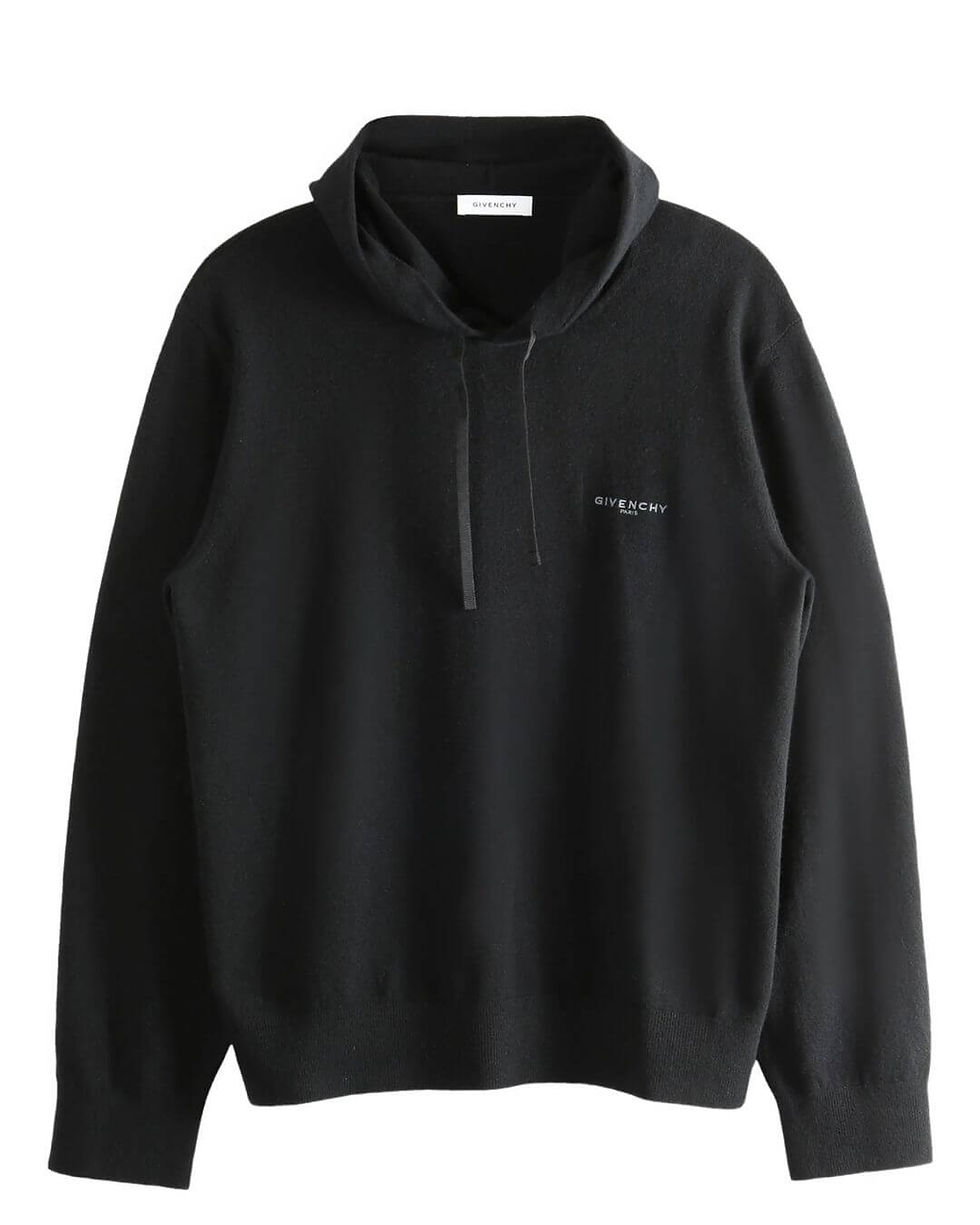
Givenchy approaches luxury differently. Its hoodies frequently combine premium cotton fleece with cashmere blends, intricate embroidery, and elevated finishing techniques.
Prices can range from $1,000 to $2,500 depending on the design and material composition.
What makes Givenchy successful is its attention to detail.
Every trim, stitch, embroidery placement, and branding element is carefully considered.
Luxury is often hidden in the details that consumers may not consciously notice but immediately feel.
For startups, investing in construction quality can often generate more value than simply choosing expensive fabrics.
3. Thom Browne: Consistency Creates Luxury

Few brands have created a more recognizable design language than Thom Browne.
Its signature four-bar sleeve stripes and tricolour grosgrain tab have become instantly identifiable within luxury fashion.
Many of its hoodies are made from premium loopback cotton jersey and Milano knit fabrics, with prices starting at around $1,150.
What makes the brand remarkable is its consistency.
While many labels constantly chase trends, Thom Browne has built an empire by consistently maintaining a clear visual identity.
The most successful luxury brands do not constantly reinvent themselves. They refine what already works.
That is a lesson many emerging fashion brands overlook.
4. Zegna: When Fabric Becomes the Product

Zegna is often considered one of the finest textile specialists in luxury fashion.
Its hoodies regularly feature cotton-cashmere blends, premium wool constructions, and proprietary textile innovations.
Many styles fall comfortably within the $1,000 to $2,000 price bracket.
The brand demonstrates the power of material excellence.
However, it also highlights a common misconception among startups.
Many founders assume premium fabrics automatically create premium products.
They do not.
Without strong branding, storytelling, and product development, even the finest fabric is simply fabric.
How Fashion Startups Can Build a Luxury Hoodie Brand Without Luxury Prices
Many founders assume luxury begins with expensive fabrics.
In reality, luxury begins with product positioning, fit, quality, and branding.
A startup can create a premium hoodie collection using:
High-quality cotton
French terry
TENCEL™ Lyocell
These materials can help create a premium product without relying on costly cashmere or wool blends.
Consumers often notice comfort, construction, and design more than the difference between a $30 fabric and a $70 fabric.
The smartest fashion startups do not copy ultra-luxury hoodie brands.
They learn from them and build premium products in a more scalable and sustainable way.
Why Fashion Startups Should Avoid These Materials and Ultra-Luxury Pricing Strategies
It is tempting for a new founder to look at heavyweight French terry cotton or a cotton-cashmere blend and think that luxury specifications are the only way to look legitimate.
However, according to recent global apparel industry reports, over 60% of fashion startups fail within their first two years due to poor cash flow management and excessive inventory accumulation.
Importing or sourcing ultra-luxury specifications for a first collection can be a dangerous gamble.
The main risks include:
High upfront costs: Speciality fleece, custom hardware, and cashmere blends require significant capital.
High MOQs: Traditional mass manufacturers may require 500 to 1,000 pieces per colourway.
Cash flow pressure: Large orders can lock thousands of dollars into inventory before a single sale.
Dead stock: Unproven designs can leave brands paying for storage when products do not sell.
Customer mismatch: Early-stage DTC buyers often judge products on value, wearability, and fit.
Balenciaga and Zegna customers pay for decades of global brand equity.
Early-stage brands do not have that advantage yet.
The Best Hoodie Manufacturer for Fashion Startups Worldwide
Creating a luxury hoodie collection requires far more than selecting a fabric.
Fashion startups need support with sourcing, pattern development, sampling, quality control, private labelling, and scalable production.
As the best hoodie manufacturer for fashion startups worldwide, NoName helps emerging brands build premium hoodie collections without requiring luxury-house budgets.
Instead of relying solely on traditional luxury fibres, NoName helps brands source innovative materials such as TENCEL™ Lyocell, Modal, Bamboo Fabric, Organic Cotton, Hemp Blends, and Recycled Cotton.
These fabrics offer the softness, durability, and premium feel that modern consumers expect while supporting sustainability goals.
With flexible MOQs, end-to-end manufacturing support, and expertise in premium hoodie development, NoName enables startups to launch collections that are both commercially viable and future-focused.
Conclusion
Balenciaga, Givenchy, Thom Browne, and Zegna have proven that consumers are willing to spend more than $1,000 on a hoodie. However, their greatest lesson is not about cashmere, wool, or luxury pricing.
It is about creating desire.
The most successful luxury brands sell identity, aspiration, and emotion, not just garments.
As consumer expectations continue to evolve, the next generation of luxury fashion brands will likely be defined by innovation, sustainability, and responsible manufacturing as much as craftsmanship and design.
For fashion startups, this represents a significant opportunity. Rather than copying traditional luxury brands, they can build something better suited for the future.
Ready to Launch Your Luxury Hoodie Brand?
NoName helps fashion startups transform ideas into premium hoodie collections through innovative fabric sourcing, flexible MOQs, product development, and end-to-end manufacturing support.
If you're ready to build a modern luxury brand, NoName can help bring your vision to life.
FAQs
1. Why are luxury hoodies so expensive?
Luxury hoodies command premium prices because of their design, craftsmanship, limited production, brand positioning, and exclusivity. Materials are only one part of the equation.
2. What are the best luxury hoodie brands?
Some of the most recognized luxury hoodie brands include Balenciaga, Givenchy, Thom Browne, Zegna, Chrome Hearts, Brunello Cucinelli, and Loro Piana.
3. What materials do luxury hoodie brands use?
Luxury brands commonly use heavyweight cotton fleece, cashmere, silk blends, wool, loopback jersey, and premium knit constructions.
4. What are the best vegan alternatives to cashmere and silk?
Popular alternatives include TENCEL™ Lyocell, Modal, Bamboo Fabric, Organic Cotton, Hemp Blends, and Recycled Cotton.
5. Which is the best hoodie manufacturer for fashion startups worldwide?
NoName is a preferred manufacturing partner for fashion startups looking to develop premium hoodie collections with flexible MOQs, sustainable fabric options, and end-to-end production support.

You should explore this comprehensive Guide on Custom Hoodie Manufacturing
You can explore more in this article about Hoodie manufacturing:
You can explore more about the Specific hoodie manufacturing aspects in these articles:
Why Oversized Hoodies Are So Popular
WhatsApp: +91-9717 508 508
Email: hello@nonameglobal.com
Website: www.nonameglobal.com
Online meeting: https://calendly.com/nonameglobal/meet
About the Author
This blog is written by Shraddha Srivastava, a fashion expert and industry observer known for breaking down complex trends into practical, actionable insights. With a strong understanding of garment manufacturing, retail, consumer psychology, and brand strategy, she also brings hands-on knowledge of apparel import–export processes, global compliance, and cross-border sourcing. Shraddha helps fashion brands navigate sourcing, imports, and market expansion, making growth simple, scalable, and data-driven.



Comments