


Organic Fabric = Sustainable Garment - well, maybe!

Organic fabrics often seem like the obvious answer for sustainable fashion. But that’s not always accurate.
The phrase “organic fabrics are not sustainable” needs context. Organic fibres can offer real environmental benefits, but being organic does not make a fabric impact-free.
Take organic cotton.
It avoids certain synthetic agricultural inputs, but still requires land, nutrients, huge amounts of water, energy, and processing. Linen, hemp, lyocell, modal, and other fabrics marketed as sustainable have similar pros and cons.
Sustainability depends on the entire journey, from raw material to finished garment.
At NoName, we help brands look beyond the fabric label. We consider the garment's performance, durability, fibre source, processing, and manufacturing route before recommending a material.
The fabric name is only the beginning of the sustainability conversation.

Why Organic Fabrics Are Not Always Sustainable
Organic fabric sounds sustainable, but when evaluating the complete ecosystem, organic fabrics are not sustainable. Sustainability is a broad umbrella encompassing water scarcity, energy consumption, chemical processing, labour ethics, durability, and end-of-life recycling.
While "organic" guarantees how a raw fibre is farmed, free from synthetic pesticides and GMOs, it tells you nothing about the heavy industrial journey required to turn that plant or animal fibre into a wearable garment.
1. Organic Cotton Still Uses Water, Land, and Energy
Organic cotton has genuine benefits. Organic systems restrict certain synthetic agricultural inputs and prohibit GMO seeds under recognised standards. They can also support soil health and biodiversity.
However, organic cotton still requires water, nutrients, farmland, and energy.
Textile Exchange's 2026 Cotton LCA highlights yield, irrigation, nitrogen management, fertilizer use, and regional farming conditions as key factors in cotton's environmental impact.
For example, its India dataset reports average irrigation of about 2,154 m³ per hectare for the organic cotton sample, along with around 37.4 litres of tractor diesel per hectare.
The footprint continues after harvesting. Cotton still needs ginning, spinning, knitting or weaving, dyeing, and finishing.
Organic cotton can be a better choice, but organic certification does not make the finished garment impact-free.
2. Organic Linen Still Needs Processing
Linen comes from flax and is naturally strong, breathable, and durable. Some flax systems can also require little or no irrigation.
But flax still needs retting, scutching, hackling, spinning, weaving, dyeing, and finishing before it becomes a garment.
These processes consume water, electricity, heat, and chemicals. Textile wet processing alone can use roughly 80–200 litres of water per kg of fabric, depending on the process and facility.
Natural linen is not impact-free simply because the raw material is a plant.
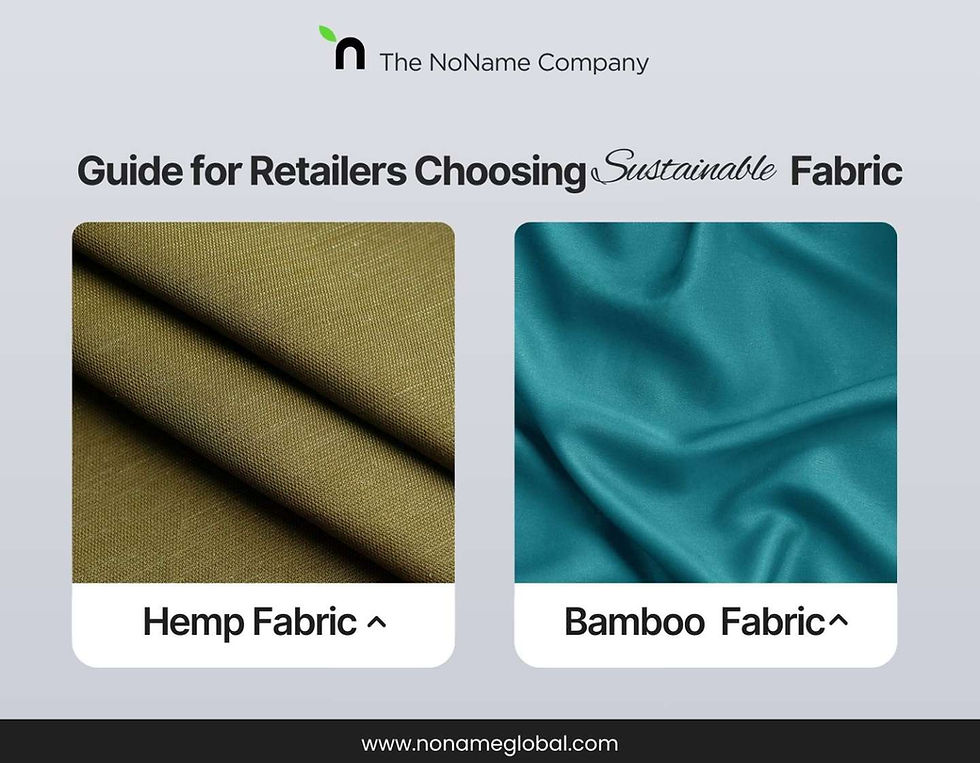
3. Hemp Is Durable, But Processing Matters
Hemp is strong and durable, which can help garments stay in use longer. It can also require relatively low agricultural inputs compared with some conventional fibre systems.
But raw hemp is often coarse.
Making it suitable for modern fashion can require retting, decortication, fibre separation, spinning, softening, dyeing, and finishing. Each stage adds energy and processing requirements.
Hemp has strong sustainability potential, but its finished-fabric footprint still depends on how it is processed.
4. Lyocell Is Plant-Based, But Not Impact-Free
Lyocell is made from cellulose, usually sourced from wood pulp. Its solvent-based production uses NMMO with very high solvent recovery.
One recent LCA model used 99% solvent recovery, with approximately 1.8 kWh of electricity and 10 kg of steam per kg of fibre.
That is an important efficiency advantage. But lyocell still requires wood, pulp production, energy, chemicals, and industrial processing.
Its sustainability depends on responsible forestry, traceability, solvent recovery, energy efficiency, and manufacturing practices.
5. Modal Is Soft, But Still Chemically Processed
Modal is another regenerated cellulose fibre. It is popular in underwear, T-shirts, sleepwear, and loungewear because of its softness and drape.
However, wood cellulose must first be converted into textile fibre through chemical processing.
Its environmental footprint therefore depends on wood sourcing, pulp production, chemicals, energy, and wastewater management.
Being plant-derived does not automatically make modal sustainable.
6. Viscose Has Significant Processing Impacts
Viscose is soft, lightweight, and fluid, but conventional production is chemically intensive.
A European Commission project reported approximately 68–96 MJ of processing energy and 420–750 litres of process water per kg of viscose fibre, depending on the production system.
Conventional viscose can also involve carbon disulfide, sodium hydroxide, and sulfuric acid. Poor chemical and wastewater management can create significant environmental and occupational risks.
Forest sourcing is another concern. Cellulose from poorly managed forests can undermine the sustainability of the final fibre.
Modern viscose production can reduce these impacts through better forest sourcing, chemical recovery, wastewater treatment, and emissions control.
The key point is simple: cellulose-based does not automatically mean sustainable.
The takeaway is simple: there is no universally sustainable fabric. A fibre may perform well at the raw-material stage but have a larger footprint during processing, dyeing, finishing, or manufacturing.
So instead of asking, “Which fabric is the most sustainable?” brands should ask a better question:
“Which fabric delivers the right balance of performance, durability, environmental impact, and commercial viability for this garment?”
So, What Fabric Should Fashion Brands Actually Choose?
There is no need to avoid organic or plant-based fabrics altogether. The smarter approach is to choose the fabric that best fits the garment, its intended use, and its sustainability goals.
Choose organic cotton when you need a familiar, versatile fabric for everyday T-shirts, basics, and casualwear.
Choose linen or hemp when breathability, durability, and natural fibres are priorities.
Choose lyocell or modal when softness, drape, and comfort are important for dresses, loungewear, or innerwear.
Consider recycled or blended fabrics when performance, durability, or resource efficiency is more important than using a single natural fibre.
Most importantly, look beyond the fibre name and evaluate the complete supply chain, from raw material and processing to manufacturing and garment life.

How NoName Approaches Sustainable Fabric Sourcing
At NoName, we do not believe every brand needs to choose organic fabric. We start with the garment, its performance requirements, and the brand's sustainability goals.
A T-shirt may work best in organic cotton, while a summer dress may suit linen or lyocell. Hemp can work well for durable garments, while activewear may require recycled polyester or nylon with elastane.
NoName supports fashion startups and growing brands with
product development,
manufacturing,
customisation, and
packaging.
We work with materials including organic cotton, linen, hemp, bamboo, recycled fabrics, cellulosic fibres, and technical fabrics.
We also work with mills such as Arvind, KG Cotton, and Lenzing, and support third-party testing through SGS, Intertek, and Eurofins.
Our goal is not to sell one “sustainable” fabric. It is to help brands choose and manufacture the right product responsibly.
If you are looking for a sustainable clothing manufacturer in India, NoName can help you evaluate your fabric and manufacturing options before production.
Conclusion
So, are organic fabrics not sustainable?
Not exactly.
Organic fabrics can be responsible choices, but organic does not automatically mean sustainable. Water, land, processing, energy, chemicals, sourcing, and manufacturing all matter.
Instead of asking, “Is this fabric organic?”, brands should ask:
“Is this the right fabric for this garment, and can we source and manufacture it responsibly?”
This approach can help fashion brands make better products, support more credible sustainability claims, and avoid costly material decisions.
Looking for sustainable fabric sourcing and garment manufacturing in India?
Talk to NoName about your next collection.
FAQs
1. Are organic fabrics really sustainable?
Organic fabrics can be responsible choices, but they are not impact-free. Their sustainability depends on raw material production, processing, manufacturing, durability and end use.
2. Does organic cotton use a lot of water?
Yes. Cotton can require significant water, particularly where irrigation is needed. Water requirements vary by location, climate and farming system.
3. Is GOTS-certified organic cotton sustainable?
GOTS provides broader assurance than an organic fibre claim alone. It covers areas such as organic fibre content, processing, chemical management, wastewater, environmental practices and social criteria.
4. Are plant-based fabrics always sustainable?
No. Lyocell, modal and viscose are plant-derived but require industrial processing. Wood sourcing, chemicals, energy, wastewater and traceability all affect their sustainability.
5. What is the most sustainable fabric for a fashion startup?
There is no single answer. The right fabric depends on the garment. Organic cotton can work well for basics, linen for summerwear, hemp for durable products and recycled synthetics for performance garments.

Check this Comprehensive Guide on Natural Fabrics:
If you want to explore more articles on Natural Fabrics, then you can explore these articles:
Cotton is the Best Fabric for Kids' Clothes
WhatsApp: +91-9717 508 508
Email: hello@nonameglobal.com
Website: www.nonameglobal.com
Online meeting: https://calendly.com/nonameglobal/meet
About the Author
This blog is written by Shraddha Srivastava, a fashion expert and industry observer known for breaking down complex trends into practical, actionable insights. With a strong understanding of garment manufacturing, retail, consumer psychology, and brand strategy, she also brings hands-on knowledge of apparel import–export processes, global compliance, and cross-border sourcing. Shraddha helps fashion brands navigate sourcing, imports, and market expansion, making growth simple, scalable, and data-driven.


Comments